
CIOReview Europe Weekly Brief
Be first to read the latest tech news, Industry Leader's Insights, and CIO interviews of medium and large enterprises exclusively from CIOReview Europe
A featured contribution from Leadership Perspectives: a curated forum reserved for leaders nominated by our subscribers and vetted by the CIOReview Advisory Board.

Fintraffic
The Intricacies Of Data Sharing: Navigating The Challenges For Providers And Consumers

Janne Lautanala
Through this article, Janne Lautanala, Chief Ecosystem and Technology Officer at Fintraffic explores the construction industry’s evolving contract management landscape. He discusses the key challenges companies face in managing contracts effectively, including regulatory complexities, cost implications, and the need for digital transformation. He concludes by highlighting the importance of strategic partnerships, clear legal frameworks, and innovative solutions in driving efficiency and reducing risks in contract management.
Data sharing between companies is increasingly seen as a pathway to innovation and growth in the evolving digital landscape. However, this practice is fraught with complexities that can deter even the most enthusiastic participants. Understanding the challenges data providers and consumers face is crucial in fostering a cooperative environment conducive to data sharing
 Janne Lautanala, Chief Ecosystem And Technology Officer, Fintraffic
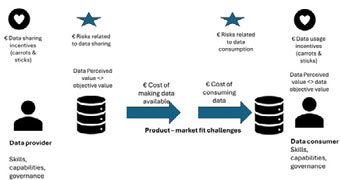
Challenges for Data Providers
1.Limited Skills in Data Economy: Many companies lack the expertise to manage and monetise data effectively. This skill gap can prevent them from utilising data as a strategic asset.
2. Lack of Incentives: Companies may see little reason to share their data without clear economic benefits. The absence of direct financial gains can make the risks seem to outweigh the potential rewards.
3. Legal and Regulatory Constraints: Companies must navigate a maze of privacy laws and regulations, such as GDPR, which can impose severe penalties for non-compliance. These legal barriers can make data sharing appear more hazardous than beneficial.
4. High Costs: The expenses involved in preparing and maintaining data for sharing can be prohibitive. Ensuring data quality and security often requires significant investment, which not all companies are willing or able to make.
5. Overvaluation of Data: There is often a discrepancy between a company’s data's perceived value and its objective market value. This mismatch can skew decision-making processes and discourage sharing
Challenges for Data Consumers
1. High Consumption
Costs: The costs associated with acquiring, storing, and analysing shared data can be substantial. Without adequate infrastructure, these costs can deter potential data consumers.
2. Legal and Regulatory Risks: Similar to providers, consumers also face regulatory challenges that can complicate the use of shared data, especially if it crosses international borders.
3. Insufficient Incentives: The benefits of acquiring data might not always be clear or immediate, leading to a lack of motivation to invest in data-driven initiatives.
4. Dependency on Multiple Data Sources: Data's value is often realised only when it can be integrated with other data sets. This dependency can complicate the logistics of data sharing and increase costs.
5. Perceived vs. Actual Value: Just as providers might overvalue their data, consumers may undervalue it, especially if the immediate benefits are not apparent.
6. Product-Market Fit Challenges: Both providers and consumers must find a good fit for data products within the market. Establishing a successful product-market fit can be elusive without clear demand or an understanding of the data's utility.
Towards a Balanced Business Case
The business case for data sharing is complex and often difficult to justify. Providers and consumers must see tangible benefits for data sharing to be successful and sustainable. This requires not only technological solutions but also strategic partnerships, clear regulatory frameworks, and innovative business models that can bridge the gap between the costs of data sharing and its potential rewards.
In conclusion, while data sharing presents significant opportunities for innovation and growth, the associated challenges can not be overlooked. Companies must approach data sharing with a clear strategy, realistic expectations, and an understanding of the risks and rewards involved.
